Website Development for Real Estate in the US
website development for real estate usreal estate website design usreal estate web developmentproperty website developmentreal estate digital marketingIDX real estate website

Website Development for Real Estate in the US

HomeBlogWebsite Development for Real Estate in the US

December 19, 2025
23 min read

Website Development for Real Estate in the US: Complete Guide, Costs & Must-Have Features (2026)

The presence of a strong online presence, as opposed to its presence as an option, is now a necessity in the competitiveness of the real estate market in the US.


With the way to 2026, Website Development for Real Estate in the US has become an instrument of crucial importance to agents and brokers who obtain leads.
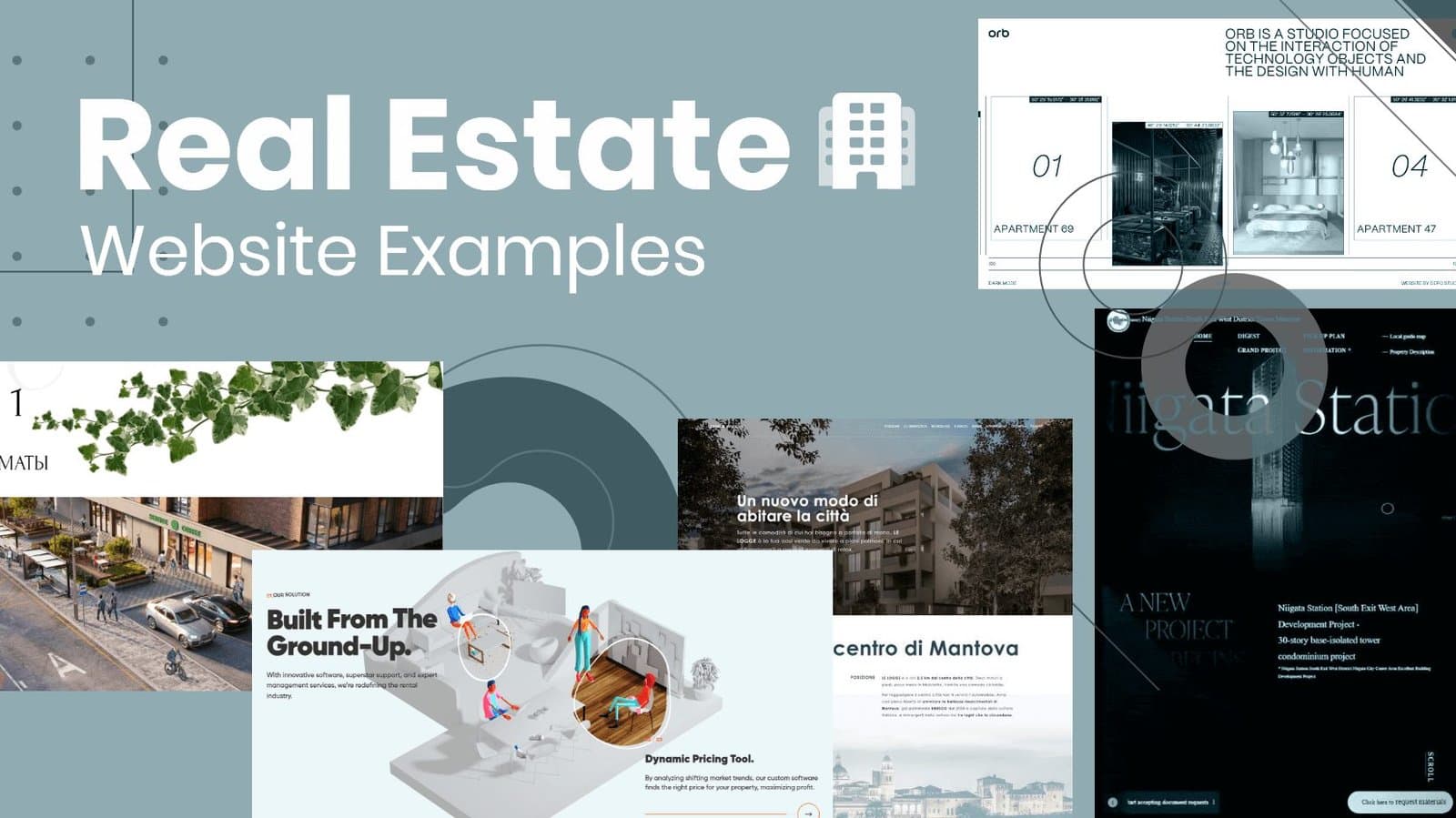
 

Homebuyers in the country are also beginning to initiate their property searches online, which has more than 1.5 million active real estate agents.


According to reports by the industry recently, over 90 percent of home buyers search through the internet during the search process, hence Website Development for Real Estate in the US is quite important.


Technopedia software feels that high highly-performing site is the mainstay of a successful property business in the long-term objective of growth in the digital age.


This is the full guide to what you should know regarding developing a site that will actually motivate the outcome in the lively marketplace.


Why Invest in Website Development for Real Estate in the US?


Building Credibility and Trust

The US real estate business has been thriving, with the market value of the US real estate business expected to be more than 100 trillion by the year 2026.

A professional site serves as your online front window with 24/7 access, where your potential clients can search through and read reviews whenever they want.

Research on the US indicates that trust is paramount in a market; as a result, Real Estate web Design in the US attracts your potential customers in regard to expertise and reliability in the market.

According to Thomas Gallagher, on one occasion, "Real estate is the closest thing to the pot of the cannibal," meaning the high competition one has to deal with.

The firm is designed to develop this credibility with the help of Technopedia software, which is designed to produce smooth, high-technology designs that appeal to the new American home buyer and seller.


Enhancing Lead Generation

The optimized sites will also be ranked better in the search engines, using localized terms, whereby they will effectively attract the organic traffic of individuals seeking to buy their dream homes.

Using technologies such as IDX (Internet Data Exchange), it is possible to pull live MLS listings into your site to ensure that visitors are entertained.

Research indicates that real estate websites that have IDX attract up to 40 percent of queries in contrast to websites with no integrated listing information.

When you invest in Real Estate Website Design in the US, you are certain that the lead capture forms are strategically placed to convert your visitors into leads.


Ensuring Compliance and Accessibility

The specific legislation, including fair housing and ADA standards, will be adhered to with a customized site in the US, where laws differ by state.

The availability of accessibility tools will also mean that you can reach a wider audience and, consequently, ensure that everyone can navigate your listings without any technical or legal issues.

In the example of independent agents, Website Development for Real Estate in the US equalizes competition with Zillow or Realtor.com.

With a niche local market, you can at least offer the personalized touch that aggregators at large will not be able to provide to users.


Adapting to Digital-First Buyers

Remote working and virtual viewings are here to stay, which means a well-developed online platform cannot be ignored by buyers who would otherwise be unable to visit the property.

By investing today, you are ready to meet the needs of the digital-first consumers, who will be willing to purchase in 2026, creating hassle-free experiences on their smartphones, tablets, and desktop computers.

It is not simply about being online but rather a performance and a means of ROI established by targeted marketing and improved analytics.


In the US, Quality Real Estate Website Design in the US emphasizes the intent of the users, and therefore, the experience that leads them through the search-to-close process is smooth.


Step-by-Step Guide to Developing a Real Estate Website


Step 1: Define Your Goals and Target Audience

Start by describing your desired objective for your site. Are you looking to generate leads, sell your property or just establish your personal brand?

Appeal to US millennials, specifically, in urban centers, they get their phones; older ones in the suburbs want to have them as simple as possible.


Step 2: Choose the Right Platform

In the case of real estate, WordPress with IDX plugins is becoming popular because of its versatile nature and availability of US-specific state integration.

Technopedia software recommends that you consider going to custom builds in case you need advanced functionality that the existing template cannot offer to your expanding business.


Step 3: Plan the Site Structure

Create an easy-to-use design with a home page that will include featured listings, a weblog to aid in SEO, and easily visible contact forms that can be used to inquire.

Add US-friendly features such as mortgage calculators and state-based MLS feeds to give value to your visitors in the course of their research.


Step 4: Focus on Design and User Experience

Use clean and contemporary designs and use high-quality images, and make sure your site takes less than 3 seconds to load in order to decrease the bounce rates.


Website Development for Real Estate needs to be mobile responsive because more than half of real estate searches occur via mobile phones.


Step 5: Integrate Essential Tools and Features

This is where your investment really makes sense to put IDX listings live just in time and CRM integration, such as HubSpot, to manage your leads.

The site should be secured using SSL certificates to maintain the safety of the user data, and, of course, you should not violate all the US privacy laws and data regulations.


Step 6: Develop and Test

Contract a Real Estate Website Development Company in the US that has discovered the intricacies of the local market and technical specifications.

Bug, speed and cross-browser Testing: Check bugs, speed and cross-browser compatibility prior to launching with a soft rollout to receive first feedback on a limited number of people.


Step 7: Optimize and Maintain

After launching, work on SEO and make sure that you constantly update your listings to ensure that the content is always fresh and relevant to the search engine crawlers.

Budget to maintain the site to ensure that it keeps up with the changes in technology and security patches that have to be applied to maintain the speed and safety of your site.


Must-Have Features for Your Real Estate Website Design in 2026

Your site should not be just a collection of pictures and remain the same to remain on top of the list, but you should make it useful.


  • IDX/MLS Integration: This is necessary to sync the real-time property information of Multiple Listing Services to ensure that your site remains updated.
  • Advanced Property Search: AI uses searches with price, location, and amenity filters to assist the user in locating what he or she wants specifically.
  • Virtual Tours and 3D Visuals: Provide 360-degree tours of the property to allow buyers to remotely view the property by walking around in any part of the world.
  • Mobile Optimization: Design responsive to be used on mobile, since the mobile traffic still prevails in the real estate industry.
  • Lead Capture Tools: Pop-ups, chatbots, and optimized forms help you gather information about the visitor so you can use it in the future in your marketing campaigns.
  • Analytics and CRM: Follow-ups can be automated, and user behavior tracked to make sure that all potential leads are not overlooked.


These features will feature professional Real Estate Website Design in the US, which can ensure your high conversion rates and site authority.


"Earth is the best investment one can make on the earth." — Louis Glickman.


Costs of Website Development for Real Estate in the US


Breakdown by Website Type


The Real Estate Website Development Cost in the US will also depend on the features and the level of complexity in 2026.


  • Basic Sites: With a site-building tool such as WordPress, you will pay between one and five thousand dollars, depending on the package and the domain, hosting and simple setup of an IDX.
  • Mid-Range Custom Sites: Mid-range custom sites are between 5,000 and 20,000 dollars for custom designs to have a top-of-the-line design with special CRM setups.
  • Advanced AI-Enhanced Sites: Those will cost between $20,000 and 100,000 or more, depending on features such as VR tours, blockchain buyers, and fully custom-written code.


Factors Influencing Costs

Some of the factors include the location of the developer, complexity and continuous maintenance, the maintenance where the quality of service is usually between 500 and 2000 a year.

Although freelancers are usually cheaper, a professional Real Estate Website Development Company in the US provides reliability and security that is required in a professional firm.

ROI may be fast; a professionally developed site can yield more leads than the cost of the initial cost of development in just a few months.

Technopedia software guarantees you that any dollar that you invest in its development is an investment in a scalable and profitable digital future for your real estate brand.


Emerging Trends in Real Estate Website Development for 2026


AI will be used to personalize searches, anticipate what a user wants and recommend property before the user types a search query.

Another area that is coming out is blockchain technology, which offers safe and transparent transactions; thus, the process of closing will be much quicker and safer for all involved parties.

The inclusion of voice search optimization and AR overlay will transform the aggregate user experience of property listings on your site within the next few years.


Conclusion

Website Development for Real Estate in the US is a true game-changer going into 2026 and further.

With this guide and prudent financial planning, you may build an engine of power that will transform clicks into successful house sales.

Technopedia software is there to make your life in these technical waters a little easier and create a site that will meet the test of time and competition.

Developing to take over the US property market? Get in touch with us today to begin your own website!


Related Articles

Website Development for Real Estate in the US